
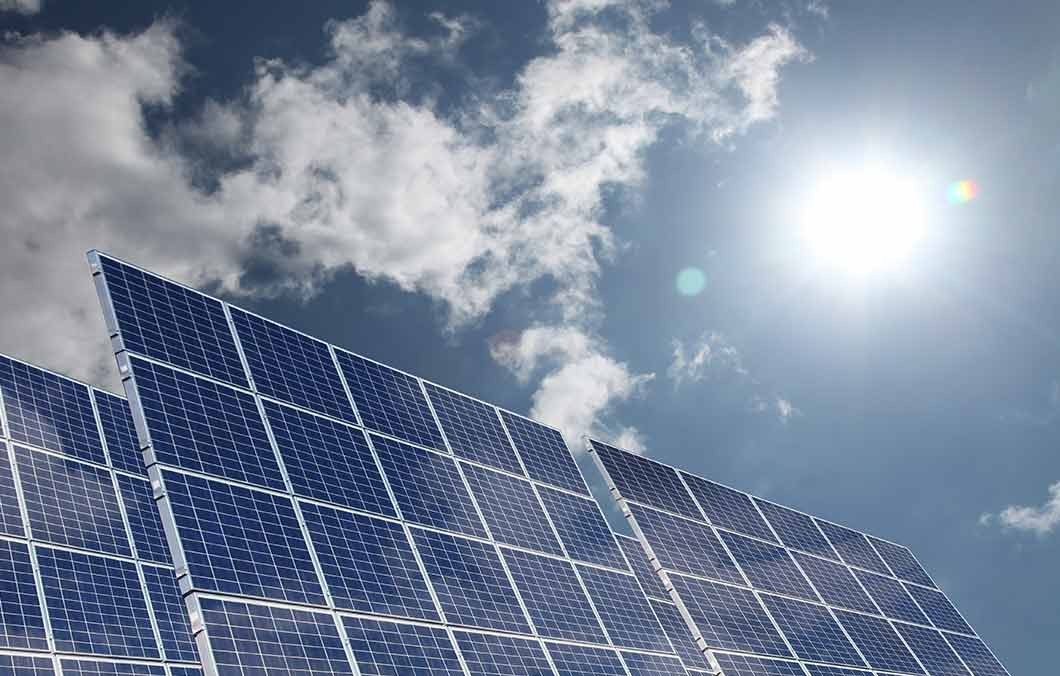
The sun, our most abundant energy source, has long been harnessed to power everything from homes to entire cities. But not all photovoltaic panels are created equal. Some capture sunlight with remarkable efficiency while others barely scratch the surface of their potential. So, what lies behind the magic of high-efficiency photovoltaic panels?In this blog post, we’ll delve into the engineering secrets that make these solar marvels so effective. We’ll uncover advanced manufacturing techniques that push boundaries in performance and explore exciting innovations shaping the future of renewable energy technology.
Key Engineering Factors for High-Efficiency PV Panels
High-efficiency photovoltaic panels rely on several key engineering factors to maximize energy conversion. One of the most critical elements is the quality of materials used. Monocrystalline silicon, for instance, offers superior efficiency compared to its polycrystalline counterpart due to its uniform crystal structure.Another crucial factor is cell design. Bifacial solar cells can capture sunlight from both sides, significantly increasing their overall output compared to traditional designs that only gather light from one angle.
The presence of anti-reflective coatings also enhances performance by reducing light reflection and allowing more photons to enter the cell. This small adjustment can lead to substantial gains in energy production over time.Advanced tracking systems play a vital role as they adjust panel angles throughout the day. This ensures that photovoltaic panels maintain optimal exposure to sunlight, further boosting their efficiency levels and energy yield.
Advanced Manufacturing Techniques for Enhanced Efficiency
Advanced manufacturing techniques are reshaping the landscape of panouri fotovoltaice. Innovations such as tandem solar cells combine different materials to capture a broader spectrum of sunlight, significantly boosting efficiency rates.Another exciting development is the use of laser technology for precision cutting and structuring. This allows for intricate designs that minimize energy loss and maximize output.
Moreover, roll-to-roll processing enables manufacturers to produce flexible PV materials at scale. This flexibility not only reduces costs but also opens new applications in diverse environments.Artificial intelligence plays a pivotal role too, optimizing production lines by predicting failures before they occur. As these technologies evolve, so does the potential for even more efficient photovoltaic panels that can meet growing energy demands sustainably.
Innovations and Future Developments in High-Efficiency PV Panels
The landscape of photovoltaic panels is evolving rapidly. Innovations are driving the efficiency and effectiveness of these technologies to new heights. One promising development is the integration of bifacial solar cells, which can capture sunlight from both sides, significantly boosting energy output.Research into perovskite materials also shows great promise. These materials could potentially reduce production costs while increasing conversion efficiency beyond what traditional silicon-based panels offer.
Moreover, advancements in tracking systems allow photovoltaic panels to follow the sun’s trajectory throughout the day, maximizing exposure and energy generation. Smart technology is taking root as well; with IoT connectivity, users can monitor performance in real-time and optimize usage effectively.As renewable energy becomes more essential amid climate concerns, ongoing research will likely usher in a new era for high-efficiency PV panels. The future holds exciting possibilities that may redefine how we harness solar power for a sustainable tomorrow.